From the skyscrapers of New York to the rising trading floors of Riyadh, stock exchanges form the backbone of global finance. They channel capital, spur innovation, and allow investors everywhere to participate in corporate growth. In today’s interconnected world, equity markets are no longer confined by borders. Instead, they form a vast network where opportunity and risk travel at the speed of light.
In this exploration, we uncover the sheer scale of global exchanges, the forces reshaping them, and the regional engines that drive returns. Whether you’re a seasoned investor or just beginning your journey, understanding this landscape opens doors to new horizons.
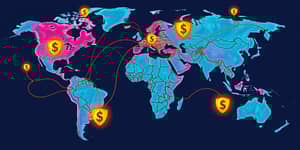
Across continents and time zones, there are over 100 active stock exchanges worldwide, each reflecting its country’s economic heartbeat. The United States leads with 20 exchanges, followed by Japan with 13 and China with 8. Yet smaller markets—from Nigeria to Vietnam—play vital roles in channeling capital to local businesses.
This diversity means investors can tap into established giants or emerging hubs. Major exchanges range from the storied New York Stock Exchange (NYSE) to rapidly growing platforms like the Saudi Stock Exchange in Riyadh. Together, they represent trillions of dollars in market value and millions of listings.
While the United States has long dominated global equities, 2024 and 2025 have witnessed a broadening of equity market leadership. Technology-heavy U.S. benchmarks still command attention, but Europe’s undervalued sectors and select emerging economies are making striking gains.
Investors are adapting by diversifying across regions and sectors. Global ETFs tracking South Korea, Poland, and Spain have become top performers, reflecting the rising appetite for cross-border exposure.
Markets on each continent have unique strengths and challenges. Understanding these nuances helps investors align their portfolios with local dynamics.
Across these regions, currency fluctuations and local policies shape returns. Investors who monitor central bank decisions, trade agreements, and fiscal reforms gain an edge in timing their entries and exits.
Advances in trading platforms and regulatory reforms are driving the democratization of access to global equities. Electronic trading venues like CBOE Europe and digital brokers enable investors from Tokyo to Toronto to participate seamlessly.
Environmental, social, and governance factors are also reshaping listings. Exchanges worldwide are introducing environmental social governance standards, encouraging firms to adopt transparency and sustainability practices before going public.
Today’s global equity landscape is both vast and vibrant. From established giants to rising stars, investors can explore opportunities across continents and sectors. Yet with this scale comes complexity—volatility, policy shifts, and regional nuances demand robust research and adaptive strategies.
By leveraging digital platforms, diversifying geographically, and staying attuned to macro trends, individuals and institutions can harness the power of markets everywhere. Whether you’re seeking growth in Asia, stability in Europe, or innovation in the United States, equity markets invite you to participate in building the future.
In an age where capital knows no borders, equity truly is everywhere. The challenge—and the reward—lies in navigating this global tapestry with insight, courage, and a spirit of discovery.
References