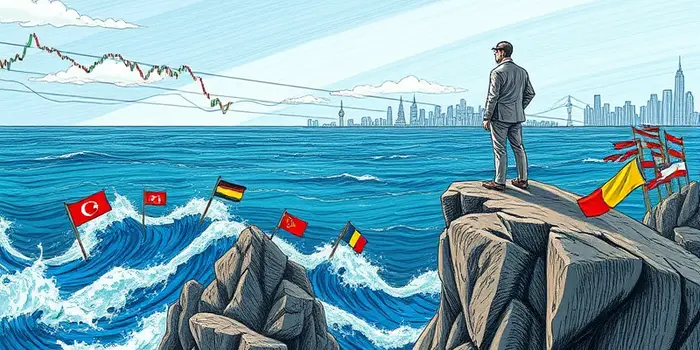
In an era defined by rapid political change and global competition, investors face unprecedented challenges. From trade disputes to military tensions, these forces can suddenly reshape markets.
Understanding how to navigate this landscape is critical for preserving wealth and seizing opportunities amid volatility.
Geopolitical risk refers to threats to the global economic and financial system arising from political events, international conflict, regulatory changes, and shifts in alliances.
Examples include the Russia-Ukraine war, ongoing US-China trade tensions, sanctions regimes, and emerging regional blocs formed through friendshoring and reshoring strategies.
According to the World Economic Forum and leading financial analysts, these themes contribute to a Geopolitical Risk Index currently above its long-term baseline, driven by conflict-related spikes and policy shifts.
Political turmoil can trigger equity sell-offs, currency swings, and commodity shocks, especially in oil, gas, and critical minerals.
Supply chain interruptions drive inflationary pressures, while sudden regulatory actions can cause deflationary shocks. Investors often shift capital into safe havens like US Treasuries, gold, and stable currencies.
Building a diversified portfolio is essential. A balanced approach can cushion shocks and preserve capital during turbulent periods.
Active management and tactical hedges provide additional layers of defense and can exploit mispricing during crises.
Governments worldwide have enacted higher tariffs, targeted sanctions, and stringent technology restrictions, notably in US-China relations.
Defense budgets are growing, with the EU planning €800 billion in joint funding by 2030 and major climate bills driving green energy investment yet fueling resource competition.
Institutional bodies such as the IMF and S&P Global emphasize the need for robust financial buffers to mitigate systemic contagion risks.
Begin by drafting an investment policy statement that incorporates your geopolitical risk tolerance, setting clear thresholds for adjustments.
Conduct regular portfolio reviews to monitor exposures and rebalance as global events unfold. Use scenario planning to test your assumptions.
Engage experienced advisors in macro and geopolitical analysis, and consider political risk insurance for direct investments in volatile regions.
Combining active management with disciplined risk controls ensures you remain agile and focused on long-term objectives despite market turbulence.
By understanding these dynamics and applying targeted strategies, investors can protect their capital, uncover hidden opportunities, and navigate the complexities of today’s interconnected world.
References