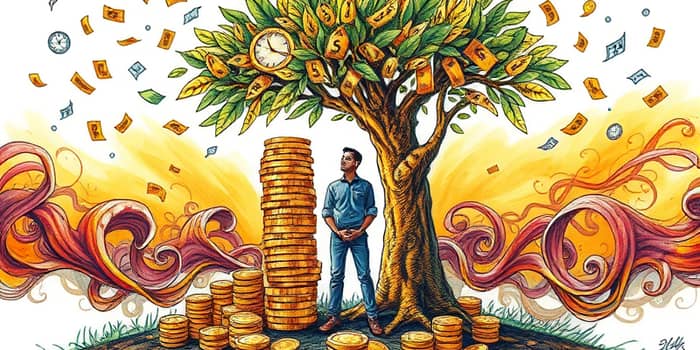
In a world obsessed with formulas and spreadsheets, the true secret of financial success often goes unnoticed: behavior and mindset outweigh raw data. While technical skills and intelligence certainly have their place, the way we think, feel, and react to money exerts a far greater influence on our long-term prosperity. By exploring the invisible drivers behind every dollar decision, we can transform habits that hold us back into strategies that propel us forward.
This journey is not about quick fixes or market predictions. It is about understanding the emotional forces at play, recognizing the role of luck and risk, and harnessing the extraordinary power of steady, disciplined action. When you master your financial mindset, you gain freedom to control your time and choices, unlocking a life defined by opportunity rather than endless stress.
Many aspiring investors believe that success hinges on intelligence, academic credentials, or an encyclopedic grasp of market trends. Yet research shows that more by behavior than knowledge determines outcomes. Emotions like fear, greed, jealousy, and pride can override even the most rigorous analysis, prompting impulsive decisions that erode wealth.
To cultivate behavior-driven success, begin by auditing your reactions. Notice when anxiety drives you to sell after a market dip or when envy pushes you to chase hot investments. By acknowledging these patterns, you can implement guardrails—such as automated contributions or predetermined rebalancing rules—that keep emotions in check.
Your personal history shapes how you perceive risk and reward. Childhood experiences, cultural norms, and family attitudes toward spending create an emotional blueprint that influences every financial decision. Someone raised in an environment of scarcity may hoard cash, while another exposed to lavish consumption might overspend to project status.
Understanding this relationship empowers you to reframe your approach. Rather than seeing money purely as a symbol of achievement, view it as a tool for security, growth, and fulfillment of meaningful goals. This shift reduces the impulse to compare yourself to others and helps you define your own measure of success.
In finance, outcomes arise from a complex interplay of skill, effort, luck, and risk. Yet humans have a tendency to overattribute positive results to personal prowess and discount the silent impact of chance. This “survivorship bias” can fuel overconfidence, leading to excessive risk-taking and eventual losses.
Conversely, those who experience setbacks often overlook how much randomness contributed, blaming themselves entirely. To strike a healthy balance, maintain humility about market unpredictability and gratitude for favorable outcomes. By acknowledging uncertainty, you pave the way for more resilient decision-making.
Albert Einstein famously called compound interest the “eighth wonder of the world.” Yet its magic goes beyond mathematics—it rewards those who embrace small, consistent financial actions over the long haul. A small habit, repeated year after year, can transform modest savings into substantial wealth.
Warren Buffett’s fortune exemplifies this truth. His legendary returns owe more to starting early and maintaining discipline than to outsmarting the market. By exercising patience and long-term discipline, even average returns compound into extraordinary results.
It is easy to conflate earning a high income with true wealth. Yet being wealthy means retaining options rather than displaying extravagance. Real wealth is what you don’t spend—the assets and flexibility that remain invisible to onlookers.
This distinction resolves the “man in the car paradox,” where observers admire the car, not the driver. By prioritizing asset-building over status symbols, you free yourself from the endless chase of external validation and focus on genuine security.
Mastering your financial mindset is not a one-time event but a lifelong practice. By prioritizing behavior over raw knowledge, acknowledging the roles of emotion, luck, and risk, and harnessing the power of compounding over time, you set the stage for sustainable wealth and freedom.
Adopting humility, gratitude, and patience transforms money from a source of stress into a tool for control. With a clear understanding of your psychological biases and practical strategies to counter them, you can build a resilient financial life defined not by fleeting trends but by lasting peace of mind.
References